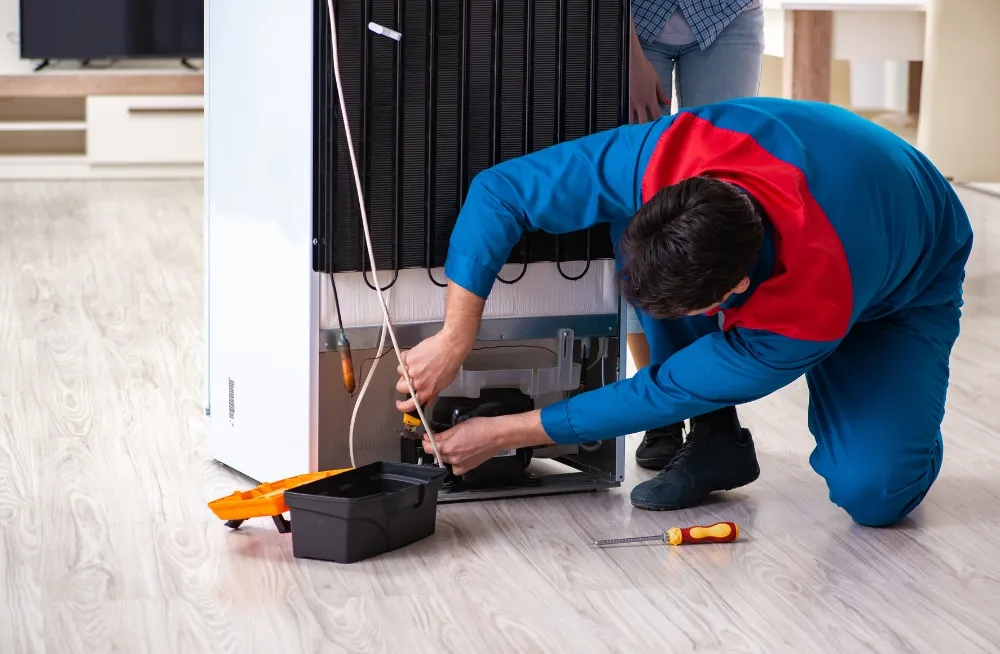
Is your refrigerator not cooling like it used to? Maybe the ice maker is still freezing, but the fridge compartment feels warm, or perhaps everything inside is too warm to trust. A refrigerator that stops cooling properly can quickly lead to spoiled food, wasted money, and a lot of frustration.
Before you panic and call a technician, it helps to understand why your refrigerator might not be cooling, what common problems could be behind it, and the simple fixes you can try at home. This guide breaks down the most frequent causes, offers practical solutions, and helps you decide when a professional repair is really necessary.
Why Is My Refrigerator Not Cooling?

Refrigerators are mechanical devices with many parts working together to keep your food cold. When one part fails or doesn’t function as it should, the cooling efficiency drops. It’s easy to assume the fridge itself is “broken,” but in many cases, the problem is something simple — like too much dust on the back coils or poor airflow.
There are several reasons your fridge may not be cooling properly, and understanding these can help you fix the issue faster and at lower cost.
Common Causes of Refrigerator Not Cooling
Dirty Condenser Coils
The condenser coils on a refrigerator are responsible for releasing heat. They are usually located underneath or at the back of the fridge. Over time, dust, pet hair, and crumbs build up on these coils. When that happens, heat cannot escape efficiently, and the fridge struggles to cool.
Signs of dirty coils include:
- The compressor running constantly
- The back of the fridge feeling very warm
- Temperature inside increasing slowly
Solution:
Unplug the refrigerator and gently clean the coils with a long brush or vacuum. This improves airflow and helps the fridge cool more effectively.
Faulty Evaporator Fan
Inside the refrigerator, there’s an evaporator fan that circulates cold air from the freezer into the fridge compartment. If this fan fails, the freezer might stay cold but the fridge won’t.
Common signs of a bad evaporator fan include:
- No cold air coming into the fridge compartment
- A strange noise when the door is open
- Freezer is working but the fridge is warm
Solution:
If the fan is making noise or not running at all, it may need replacing. This often requires a technician unless you’re comfortable checking electrical parts.
Thermostat or Temperature Control Issues
Every refrigerator has a thermostat that tells the cooling system when to turn on and off. If the thermostat is set incorrectly or malfunctioning, the fridge may not get cold enough.
You might notice:
- Temperature fluctuating
- Food spoiling faster than usual
Solution:
Check the temperature settings — most refrigerators are best set between 3–4°C (37–40°F). If settings are correct, the thermostat may need to be tested or replaced.
Blocked Air Vents
Airflow is a key part of refrigerator cooling. Cold air travels from the freezer to the fridge through vents. If food items or containers block these vents, cold air cannot circulate, making the fridge warm even if the freezer is cold.
Solution:
Rearrange food so nothing blocks the vents. Make sure larger items are not pushed tightly against shelves that block airflow.
Damaged Door Seal (Gasket)
The rubber seal around the refrigerator door keeps cool air inside and warm air out. If this seal is cracked, loose, or filled with dirt, cold air escapes and warm air enters.
You may notice:
- Warm air entering when the door closes
- Visible gaps or tears in the gasket
- Moisture buildup around the door
Solution:
Clean the gasket with warm soapy water. If it is cracked or not sealing properly, replace it. New gaskets are relatively inexpensive and easy to install.
How to Fix a Refrigerator Not Cooling
Now let’s look at practical ways to address the problem yourself.
1. Clean the Condenser Coils
This is one of the most effective DIY methods:
Steps:
- Unplug the fridge.
- Move it away from the wall if coils are at the back.
- Use a soft brush or vacuum to remove dust and debris.
- Wipe gently, then push the fridge back into place.
This simple step can significantly improve cooling by helping heat dissipate more efficiently.
2. Check Temperature Settings
Sometimes, the fridge isn’t too cold because the settings have been accidentally changed.
Recommended Temperatures:
- Fridge: 3–4°C (37–40°F)
- Freezer: -18°C (0°F)
Adjust the thermostat and give it a few hours to reach the new temperature.
3. Inspect the Door Seal
A good seal is essential to maintaining cold air inside.
Check the seal:
- Close the door on a piece of paper — if it slips out easily, the gasket isn’t tight.
- Clean the seal with warm water to remove any sticky residue.
If necessary, replace the gasket to keep the fridge energy‑efficient and properly cooled.
4. Ensure Proper Air Circulation
Avoid packing the fridge too tightly. Good airflow inside the fridge allows cold air to travel from the freezer to lower compartments.
Tips:
- Don’t push food up against vents.
- Arrange items so air can circulate freely.
- Avoid over‑stacking shelves.
When to Call a Professional
Not all cooling issues are easy to fix at home, especially if they involve electrical or sealed‑system components. You should consider professional help when:
- The compressor is not running
- There’s a suspected refrigerant leak
- Electrical components are malfunctioning
- DIY fixes didn’t solve the problem
Technicians are trained to diagnose complex issues safely and replace parts like evaporator fans, compressors, or control boards.
Tips to Prevent Refrigerator Cooling Problems
Preventive maintenance can save money and extend your fridge’s life.

Maintenance Tips:
- Clean condenser coils every 3–6 months
- Check and clean door seals regularly
- Keep fridge temperature at recommended settings
- Don’t overload with food
- Replace old or damaged parts promptly
By keeping your fridge clean and well‑organized, you reduce the chance of cooling issues.
Frequently Asked Questions (FAQs)
Q: Why is my refrigerator not cooling but running?
A: If the compressor is running but the fridge feels warm, it could be due to dirty coils, a failing fan, or airflow blockage. Cleaning and checking airflow usually helps.
Q: Why is my refrigerator not cooling but the freezer works?
A: This often happens when cold air cannot move from the freezer to the refrigerator. Common causes are blocked vents or a faulty evaporator fan.
Q: How do I fix a refrigerator that is not cooling?
A: Start with cleaning condenser coils, checking thermostat settings, and inspecting the door seal. These simple steps solve many cooling problems.
Q: How long should a refrigerator take to cool again after being plugged in or adjusted?
A: It may take 6–24 hours for a refrigerator to reach the proper temperature after being restarted or reset.
Q: Can overloading a fridge cause cooling problems?
A: Yes. Placing too many items inside can block air vents and restrict cold air movement, leading to uneven cooling.
Conclusion
A refrigerator not cooling properly can be caused by a variety of issues — some simple and others more complex. Before assuming the worst, check the condenser coils, door seals, thermostat settings, and airflow inside the fridge. Many cooling problems can be resolved with basic cleaning and adjustments.
However, if these efforts don’t restore proper cooling, it’s time to call a professional technician. Early diagnosis and repair can save your appliance from more serious damage and prevent food spoilage.
By understanding why your refrigerator isn’t cooling and how to fix it, you can avoid costly repairs and enjoy a properly running fridge for years to come.